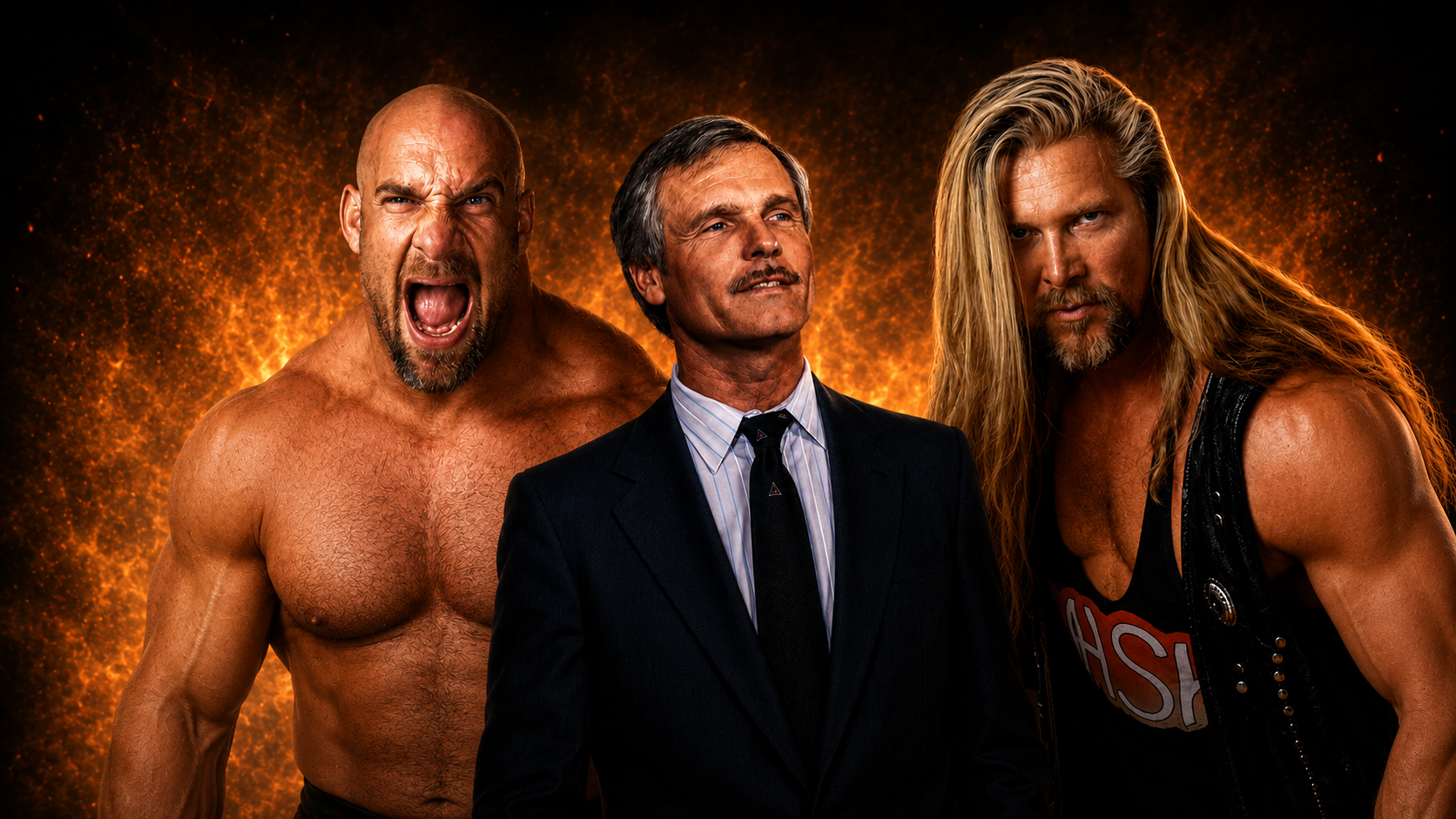
 Ted Turner died Wednesday at the age of 87, surrounded by his family at his home in Atlanta. The tributes will pour in for the man who launched CNN, founded TBS, owned the Atlanta Braves, won the America’s Cup, and pledged a billion dollars to the United Nations. Many will call him a visionary, a maverick, «The Mouth of the South.» All of it is deserved. But for an entire generation of gamers who grew up in the late 1990s, Turner’s most enduring legacy fits in the palm of your hand — a grayNintendo 64cartridge that still gets pulled out at parties thirty years later.
Купил акции по совету друга? А друг уже продал. Здесь мы учимся думать своей головой и читать отчётность, а не слушать советы.
Бесплатный телеграм-каналЛичное соперничество, с которого всё началось
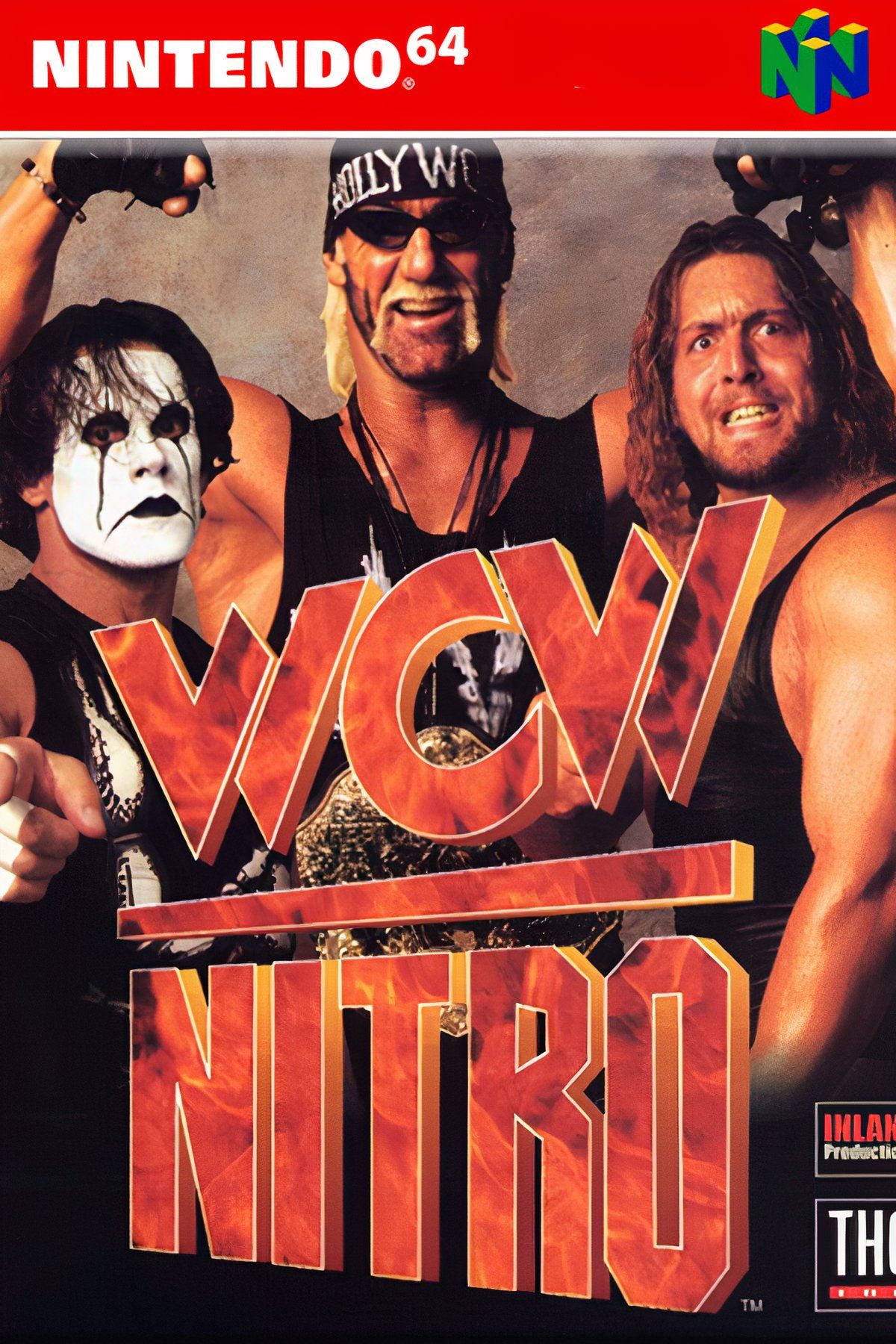
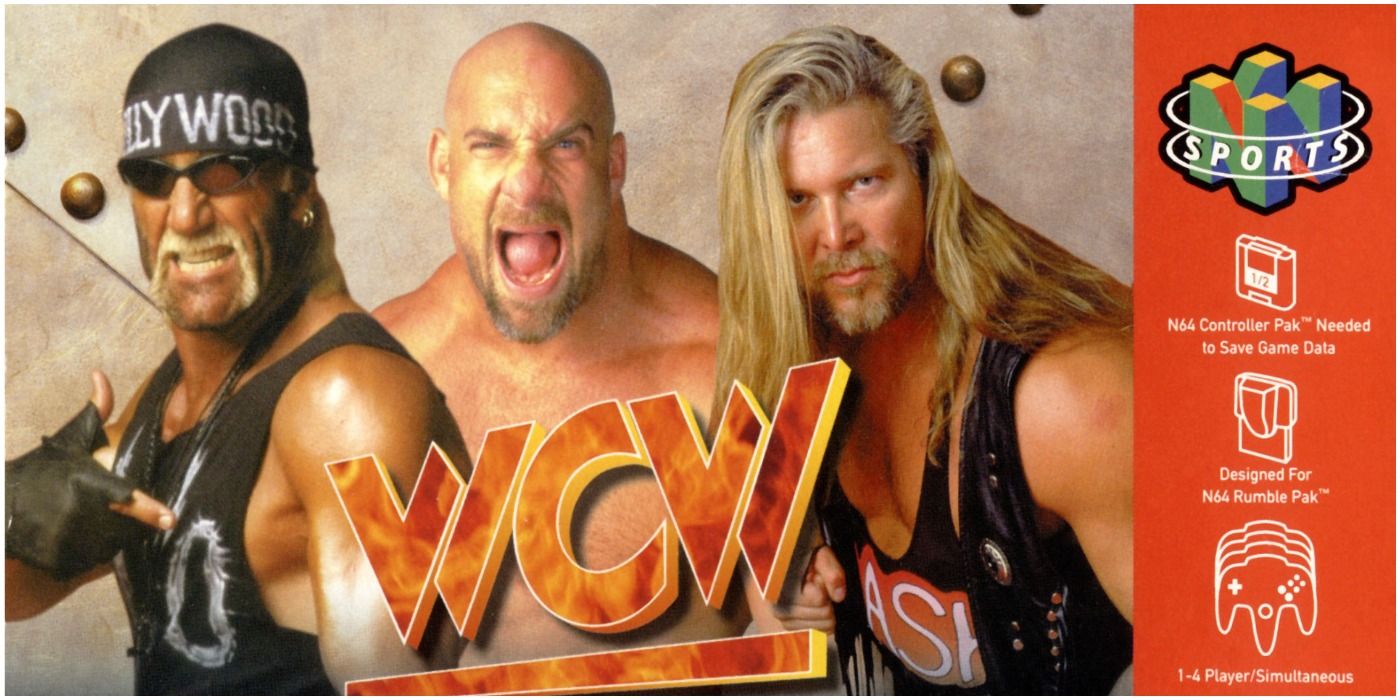
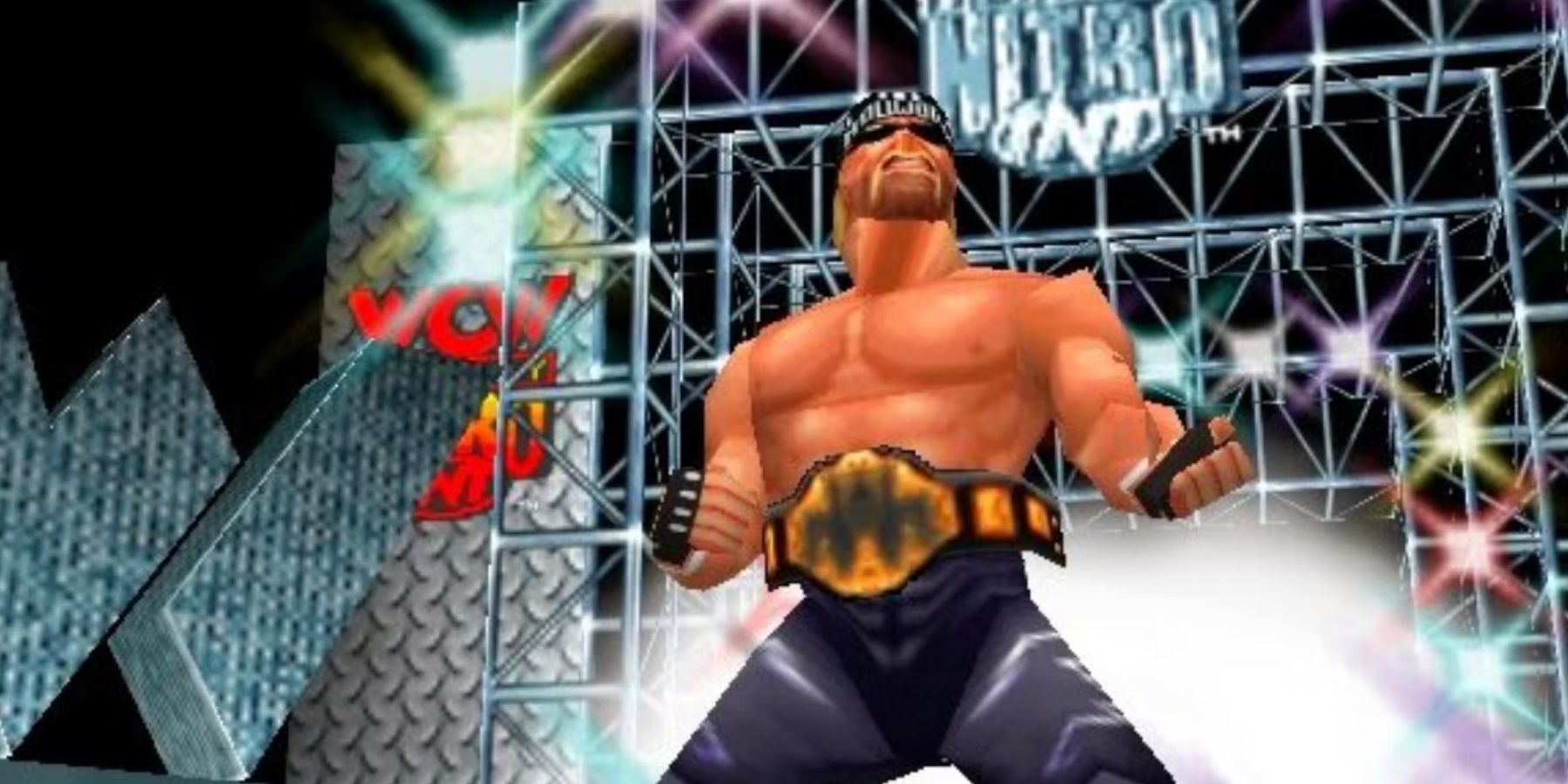
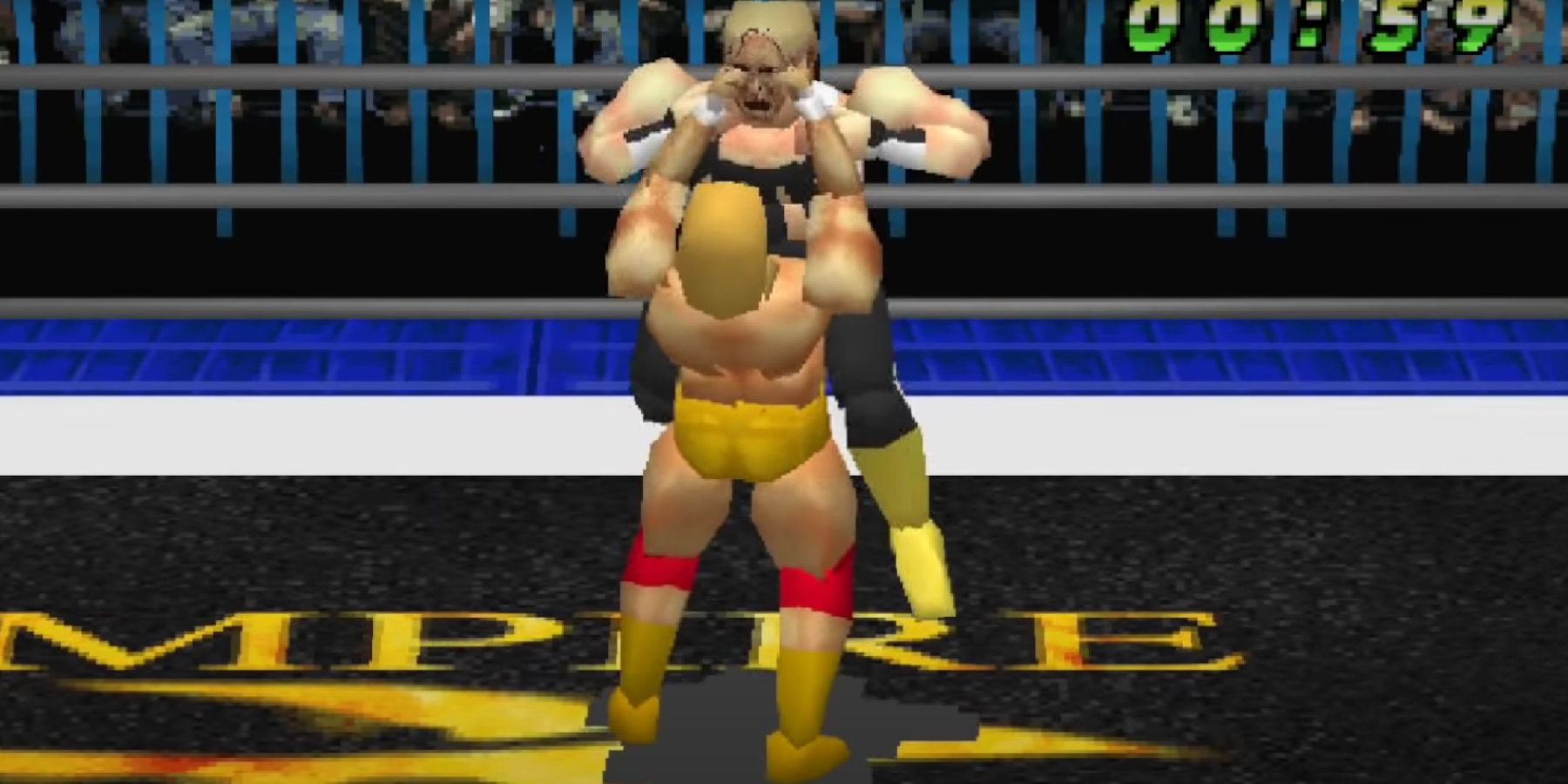
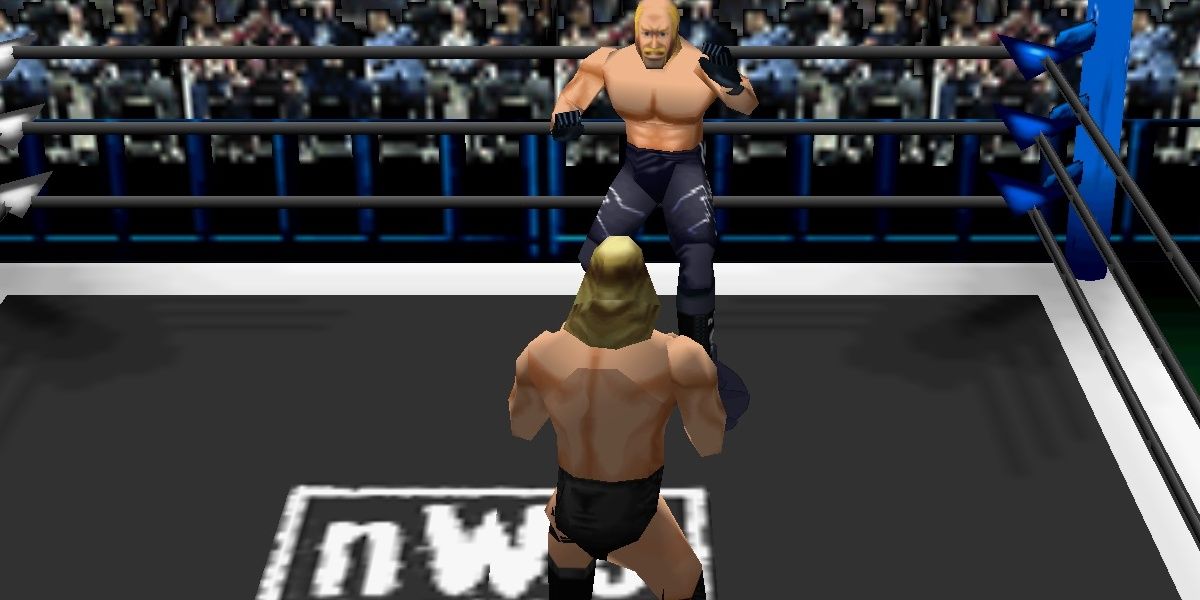
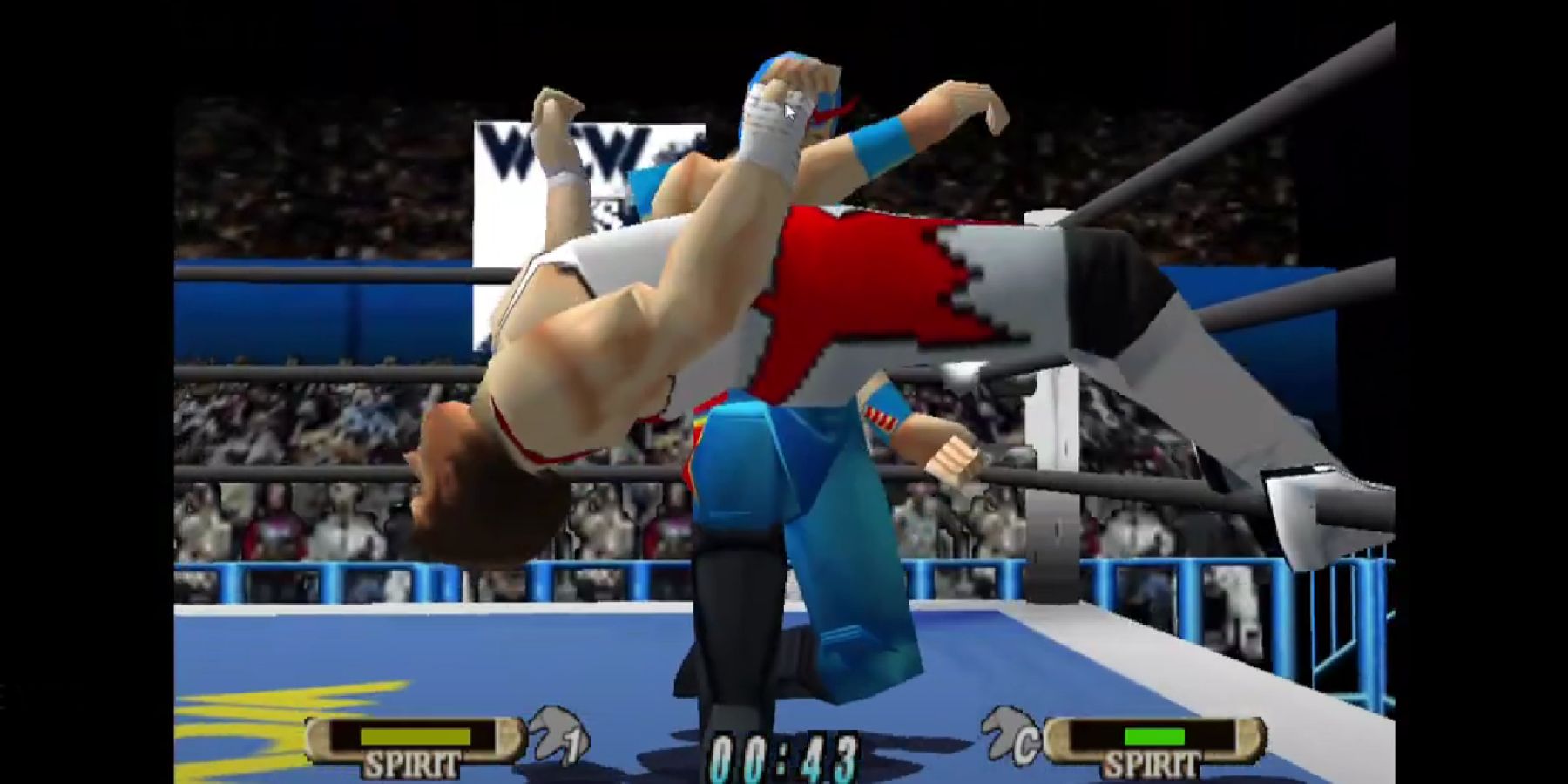
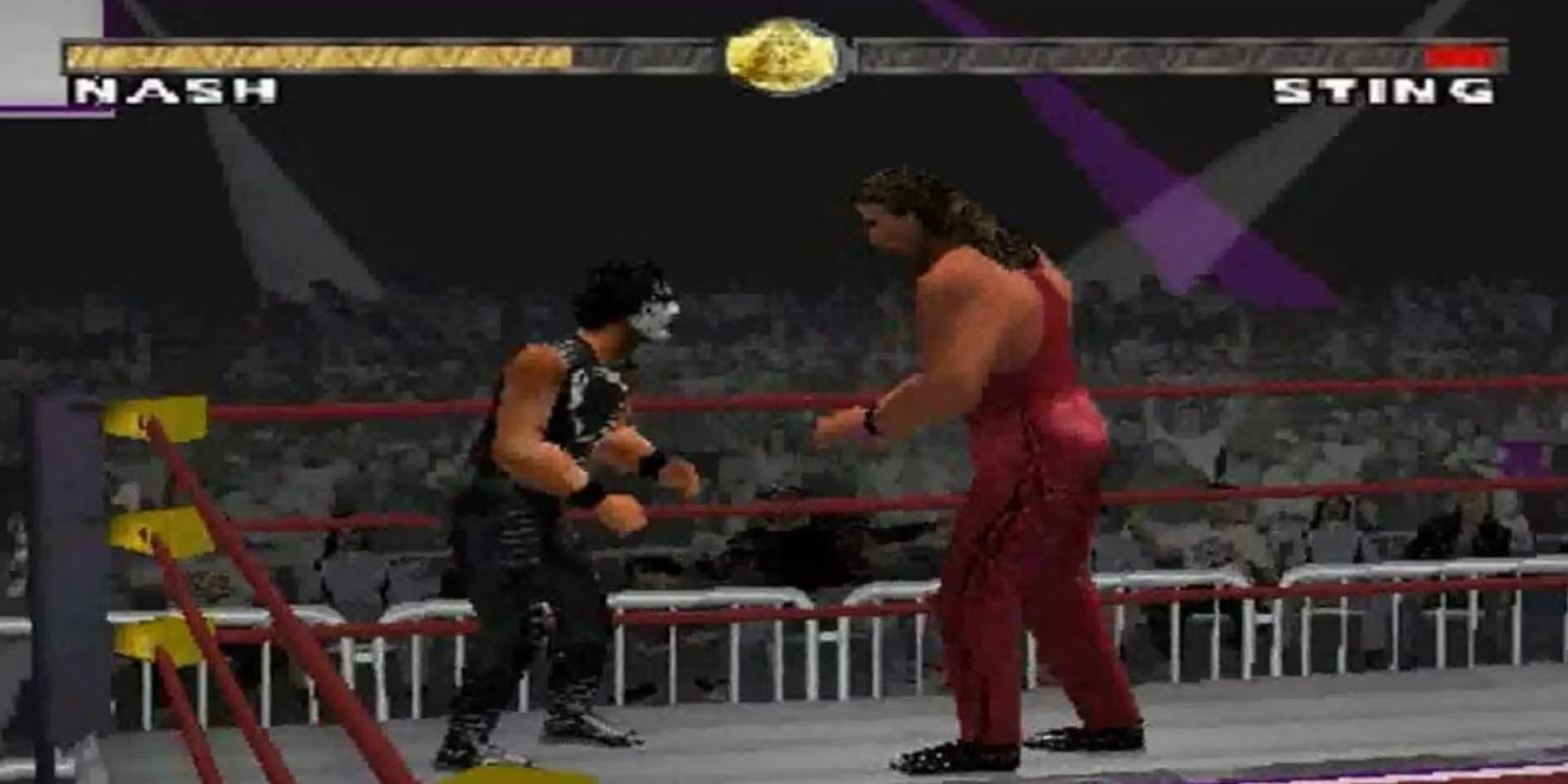 Turner didn’t set out to revolutionize wrestling games, though. He set out to beat Vince McMahon. In 1988, Turner purchased the assets of Jim Crockett Promotions, a struggling Southern wrestling territory, and rebranded it «World Championship Wrestling.» The move was characteristically Turner: bold, slightly reckless, and driven by competitive instinct rather than careful calculation. McMahon had spent the better part of the decade dismantling the old regional wrestling territories and consolidating power under the WWF banner. Turner, who had already built a media empire on the belief that people would watch a 24-hour news channel, decided someone needed to stop him. He was willing to be that someone. What followed was one of the most dramatic rivalries in sports entertainment history. The Monday Night War — WCW Nitro against WWF Raw, head-to-head every Monday night throughout the mid-to-late 1990s — pushed both promotions to their creative peaks. WCW signed Hulk Hogan, Randy Savage, and then, crucially, Razor Ramon and Diesel from the WWF. It created the nWo. For 83 consecutive weeks between 1996 and 1998, WCW’s Nitro beat Raw in the ratings. Turner’s gamble was working. That war needed a video game front. THQ acquired the WCW license and brought in Japanese developer AKI Corporation — a studio so energized by the deal that they reportedly changed their name from the considerably less marketable «The Man Breeze» to something more professional. What they built together was unlike anything the wrestling game genre had produced before. WCW vs. nWo: World Tour arrived in 1997 at the peak of WCW’s cultural dominance. It introduced a revolutionary grappling system built entirely around holds and counters rather than button-mashing — a system that IGN’s retrospective would later describe as «just as revolutionary as the nWo storyline it borrowed.» It sold 1.3 million copies in the US, won Console Fighting Game of the Year, and became the go-to four-player brawler at every sleepover in America. Before Super Smash Bros., if you had four controllers and an N64, this was the game. Then AKI refined it. WCW/nWo Revenge arrived in 1998 at the absolute peak of the Monday Night Wars, with a larger roster, real ring entrances, multiple arenas, and an engine so finely tuned it felt almost physical. In its first month, it was the second best-selling home console game in the United States — behind only Metal Gear Solid. It became the top-selling third-party Nintendo game of all time. It won Fighting Game of the Year again. The wrestling community still debates whether any game has matched it since. And then Ted Turner sold WCW to Vince McMahon.
Конец эпохи
The 2001 sale, driven by the catastrophic AOL-Time Warner merger that cost Turner more than $7 billion in personal losses and stripped him of control over his entire empire, didn’t just end WCW; it effectively ended his career. It ended the licensing chain that had given THQ and AKI their raw material, their cultural urgency, their reason to exist. WWF WrestleMania 2000 and No Mercy had proven the AKI engine could outlive its WCW origins, but the momentum that Turner’s rivalry with McMahon had created — the heat, the roster depth, the sense that this brand actually mattered — was gone. AKI never made another wrestling game of that caliber. THQ’s WWE series gradually shifted developers. The golden age quietly ended. Turner almost certainly never played a single one of those games. He was a sailor, a rancher, a media mogul who liked to fish and hunt and give billion-dollar checks to the United Nations. Wrestling was a business decision, not a passion. But that indifference is precisely what makes the story so remarkable. Turner didn’t intend to create the conditions for gaming’s greatest wrestling era. He intended to beat Vince McMahon on Monday nights. He bought a company, funded a rivalry, and accidentally seeded one of the most beloved game libraries in N64 history. The greatest wrestling games ever made exist because one billionaire refused to let another billionaire win. Somewhere in that chaos, a generation found their childhood. Rest in peace, Ted Turner. You had no idea what you gave us.
Смотрите также
- Re:Zero Сезон 4 Эпизод 8 Дата и Время Выхода
- Лучшие шаблоны дивизий в Hearts Of Iron 4
- Шоу 911: Кто такой Рико Прием? Объяснение трибьюта Grip
- Где находится точка эвакуации «Туннель контрабандистов» на локации «Интерчейндж» в Escape from Tarkov?
- Throne And Liberty: Nightmare Deja Vu Moon Решение головоломки
- Как получить все косметические предметы в REPO
- Лучшие транспортные средства в Far Cry 6
- Исправление ошибок Gaming Services для Forza Horizon 6
- Лучшие PvE-билды в Throne And Liberty
- Выжить в Кодах Хоумлендера (Май 2026)
2026-05-06 22:11